Human Hair vs Synthetic Hair System: A Complete 2026 Comparison
Choosing the right hair system is the key to achieving a natural, comfortable, and long-lasting hair restoration look. Whether you are new to hair replacement systems or looking to upgrade your current wig, toupee, or hair unit, understanding the core differences between human hair systems and synthetic hair systems will help you make a cost-effective, lifestyle-matched decision.
Both human hair and synthetic hair systems have unique strengths and weaknesses in terms of appearance, styling versatility, durability, maintenance, and price. In this detailed comparison guide, we break down every key factor to help you find the perfect hair system for daily wear, special occasions, or long-term hair loss solutions.
1. Core Material & Natural Appearance
The most intuitive difference between the two hair systems lies in their raw materials and real-life look and feel.
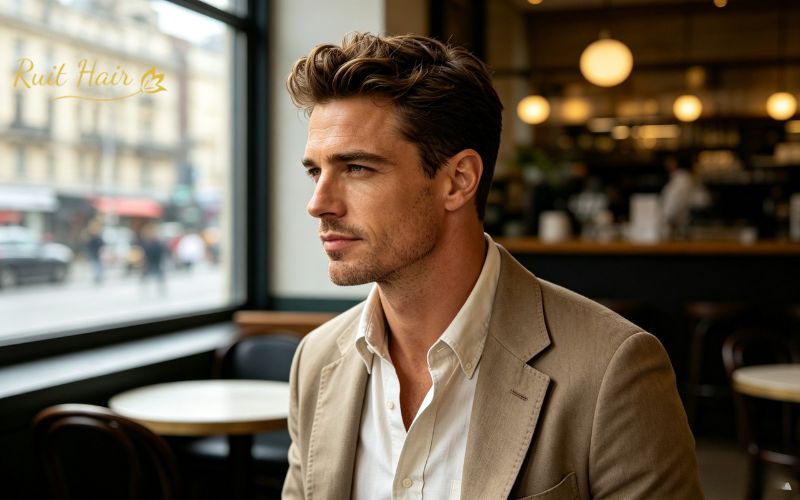
Human hair systems are crafted from 100% real donor human hair. Each strand retains natural hair texture, cuticle alignment, and subtle color variations, just like your biological hair. Under natural sunlight and indoor lighting, human hair shows realistic shine, soft flow, and dynamic movement. It blends seamlessly with your growing hair, with no fake gloss or stiff texture, making it nearly undetectable in close interactions.
Synthetic hair systems are made from high-quality man-made fibers such as modacrylic and polyester. Modern synthetic fibers are engineered to mimic real hair’s texture, but they still feature uniform strands and artificial consistent shine. While premium synthetic hair looks great in photos and static states, it lacks the natural dimensionality and flexible movement of real hair, which may appear slightly stiff under bright light.
2. Styling Versatility & Customization
Styling flexibility is one of the biggest gaps between human hair and synthetic hair systems, directly affecting your daily wearing experience.
Human hair systems offer full styling freedom. Just like your own hair, they can be curled, straightened, blow-dried, bleached, dyed, and permed with standard heat tools (up to 400°F). You can change your hairstyle anytime to match different outfits, seasons, or occasions. The hair reacts naturally to humidity and wind, ensuring a lifelike look all day long. This makes human hair systems ideal for users who love diverse hairstyles and personalized looks.
Synthetic hair systems have fixed styling limitations. They are pre-styled during production and maintain their original curls, waves, or straight texture permanently even after washing. However, synthetic fibers cannot withstand high heat or chemical treatments. Heat styling will melt or damage the fibers, and dyeing is not feasible. You cannot restyle synthetic hair arbitrarily, which means you are stuck with the original hairstyle until you replace the unit.
3. Durability & Lifespan
Lifespan is a critical factor for long-term value assessment, especially for daily wear users.
With proper cleaning and routine care, a high-quality human hair system can last 1–3 years. Real human hair is sturdy, resistant to tangling and matting, and maintains its soft texture and elasticity for a long time. Although it may experience natural wear and slight fading over time, regular maintenance can effectively extend its service life, delivering excellent long-term value.
Synthetic hair systems have a much shorter lifespan. Most standard synthetic hair units only last 4–6 months with daily wear. After months of friction, washing, and exposure to sunlight, synthetic fibers tend to become rough, frizzy, tangled, and lose their original luster. Premium synthetic hair can last up to 8 months, but frequent replacement is still inevitable for long-term use.
4. Maintenance & Daily Care
The two hair systems differ greatly in maintenance difficulty, suiting different lifestyle needs.
Human hair systems require regular, careful maintenance. They need to be washed with mild hair shampoo and conditioner every 1–2 weeks, detangled gently daily, and moisturized regularly to prevent dryness and breakage. Heat protection products are necessary before thermal styling. Though the care routine is more time-consuming, proper maintenance keeps the hair soft, shiny, and natural-looking for years.
Synthetic hair systems feature ultra-low maintenance. Thanks to their pre-styled design, they hold their shape perfectly after washing with no need for blow-drying or restyling. They do not fade easily and require minimal daily upkeep. It is a classic “shake-and-go” option, perfect for busy people who want a hassle-free wearing experience.
5. Price & Long-Term Value
Budget and long-term cost performance are key considerations for most buyers.
Human hair systems have a higher upfront cost. The premium material and intricate craftsmanship make them more expensive than synthetic options. However, their long lifespan and reusable, restylable features greatly reduce replacement frequency. For users who wear hair systems daily, human hair is a cost-effective long-term investment with superior appearance and comfort.
Synthetic hair systems are budget-friendly. They come with a low initial price tag, making them ideal for occasional wear, temporary styling needs, or beginners who want to try hair systems without a large investment. The downside is the recurring replacement cost due to their short lifespan, leading to higher long-term expenses for daily users.
6. Comfort & Wear Experience
All-day comfort determines your wearing experience, especially for long-time use.
Human hair systems are lightweight, highly breathable, and skin-friendly. The real hair texture fits the scalp perfectly without causing itching or stuffiness. The natural hair movement reduces foreign body sensation, making you forget you are wearing a hair system even after all-day wear.
High-grade synthetic hair is light, but some low-cost synthetic fibers may feel stiff and slightly itchy on sensitive scalps. After long hours of wear, synthetic hair may cause slight stuffiness compared to breathable real hair systems.
Quick Comparison Table: Human Hair vs Synthetic Hair System
Features | Human Hair System | Synthetic Hair System |
|---|---|---|
Natural Look & Feel | Ultra-realistic, natural shine & movement | Good look, slight artificial stiffness |
Styling Flexibility | Fully restylable, heat & dye friendly | Fixed style, no heat/chemical styling |
Lifespan | 1–3 years (with proper care) | 4–6 months (daily wear) |
Maintenance | Regular care required | Low maintenance, shake-and-go |
Price | Higher upfront cost, great long-term value | Low initial cost, frequent replacement |
Best For | Daily wear, long-term use, styling lovers | Occasional wear, budget users, beginners |
Final Verdict: Which One Should You Choose?
Choose a human hair system if: You need a hair system for daily long-term wear, pursue a completely natural undetectable look, love changing hairstyles frequently, and prefer durable, high-value hair replacement solutions. It is the top choice for hair loss restoration and everyday formal & casual occasions.
Choose a synthetic hair system if: You are on a tight budget, a beginner trying hair systems for the first time, or only need it for occasional events, parties, or temporary styling. It offers convenient, low-effort beauty with an affordable price.
Final Thoughts
There is no absolute “better” option between human hair and synthetic hair systems—only the right fit for your lifestyle, budget, and aesthetic needs. Human hair systems stand out in naturalness, durability, and versatility for long-term use, while synthetic hair systems excel in affordability and convenience for temporary use.
At Ruit Hair, we provide premium human hair systems and high-quality synthetic hair systems in diverse styles, colors, and densities. Explore our collection to find your perfect hair match and upgrade your look effortlessly!