Lace Base vs Thin Skin Base Hair System: Pros & Cons
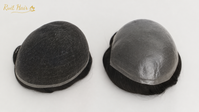
Choosing between a lace base and a thin skin base is one of the most important decisions when selecting a hair system. Both can create a natural-looking result, but they feel, attach, and perform differently in daily wear. The right option depends on what you value most: breathability, a realistic hairline, easier cleaning, or a secure and low-maintenance routine.
What Is a Lace Base Hair System?
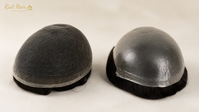
A lace base is made from a fine, lightweight mesh into which hair is individually ventilated or knotted. Swiss lace is typically finer and more delicate, while French lace is often chosen when a little more strength is desired. The open mesh structure allows air to pass through and can help the base blend with the scalp, especially around the front hairline.
What Is a Thin Skin Base Hair System?
A thin skin base, also called a poly or polyurethane base, is a smooth, flexible film with hair injected or knotted into it, depending on the construction. Its scalp-like surface can create a clean, natural-looking appearance. The smooth material is generally easier to wipe and clean than an open mesh base, though its breathability and durability depend on the exact thickness and design.
Lace Base: Pros and Cons
Pros of a Lace Base
Breathable feel: The mesh construction allows more airflow across the covered area, which many wearers appreciate in warm weather or during active days.
Soft, lightweight wear: Fine lace can feel light on the scalp and conform comfortably when the unit is properly fitted.
Natural-looking front: A well-made lace front can create a soft transition at the hairline. Fine knots and careful installation help keep the edge discreet.
Good for frequent removal: Some wearers find lace convenient when they remove and reattach their system regularly, especially when they use an attachment method suited to lace.
Cons of a Lace Base
More delicate material: Fine mesh can snag, stretch, or tear if pulled, scratched, or handled roughly during cleaning and adhesive removal.
Cleaning takes care: Adhesive residue can collect around the knots and mesh. Remove it gently and follow the maker’s instructions to avoid damaging the base or loosening hair.
Attachment needs precision: Liquid adhesive may seep through some lace constructions if too much is applied or if it is not fully dry before attachment. Product compatibility matters.
May need more frequent maintenance: Because lace can be delicate, its service life depends heavily on base quality, wear schedule, handling, and care.
Thin Skin Base: Pros and Cons
Pros of a Thin Skin Base
Smooth, scalp-like finish: The transparent or skin-tone film can blend closely with the scalp when the color and fit are right.
Easy surface cleanup: The non-mesh surface is usually straightforward to wipe clean, and adhesive residue does not sit within open lace holes.
Convenient bonding surface: Tape or liquid adhesive can work well on many poly designs, subject to the base and adhesive manufacturer’s guidance.
Neat appearance: A thin skin front can look seamless when fitted and attached carefully, making it a popular choice for wearers who prioritize a clean hairline.
Cons of a Thin Skin Base
Less airflow: A continuous film is generally less breathable than open lace, so it may feel warmer during exercise or in hot, humid conditions.
Thickness changes the result: Thicker poly can be easier to handle but may feel less natural at the edge; very thin poly can look subtle but may require gentler handling.
Heat and stretching can be concerns: Excessive heat, forceful removal, or pulling can deform or damage some thin skin bases. Follow care instructions and use an appropriate adhesive remover.
Not every skin base behaves the same: Hair-injection method, base thickness, perimeter construction, and attachment routine all affect appearance and wear.
Lace vs. Thin Skin: Key Differences
In simple terms, lace is often selected for airflow and a soft, natural-feeling base, while thin skin is often chosen for a smooth surface and convenient cleanup. Neither material is automatically more natural or longer lasting. Hairline design, hair direction and density, base quality, fit, attachment technique, and daily care all influence the final result.
Consider your routine as well as the look you want. If you exercise often or live in a warm climate, airflow may be a priority. If you prefer a smooth base that is easier to wipe down, thin skin may be worth considering. If you remove your unit frequently, think about how comfortably you can clean and reattach the specific design. Wearers with sensitive skin should also consider adhesive ingredients and consult a qualified professional if they have a history of irritation.
Which Base Should You Choose?
Choose lace if breathability, lightweight comfort, and a soft front hairline are your main priorities, and you are comfortable handling a delicate mesh base.
Choose thin skin if you prefer a smooth scalp-like surface and straightforward cleanup, and you are comfortable with less airflow and careful handling of the film.
Consider a hybrid base if you want a balance. Some designs combine a lace front with a thin skin or reinforced perimeter, pairing a natural-looking hairline with a more stable area for attachment. Check the exact construction, since hybrid layouts vary by model.
How to Care for Either Base
Use the adhesive and remover recommended for your base type; patch-test new products when appropriate.
Remove the system slowly. Never pull hard on lace or thin skin to release a stubborn bond.
Clean with gentle products and avoid excessive heat, harsh chemicals, and rough brushing near the base.
Let the unit dry fully and store it in a way that protects the hair and base from tangling, pressure, and direct heat.
Follow the manufacturer’s care instructions and ask an experienced stylist for help if you are unsure about attachment or removal.
Final Thoughts
Lace and thin skin bases can both deliver a convincing hair replacement result, but they suit different preferences. Lace generally emphasizes airflow and a lightweight feel; thin skin offers a smooth surface and convenient cleaning. Compare the specific base construction, not just the material name, and choose the system that fits your climate, attachment routine, comfort needs, and maintenance habits. Ruit Hair offers different base designs and customization options to help you find a suitable fit.