What Are Men’s Hairpieces?
What Are Men’s Hairpieces?
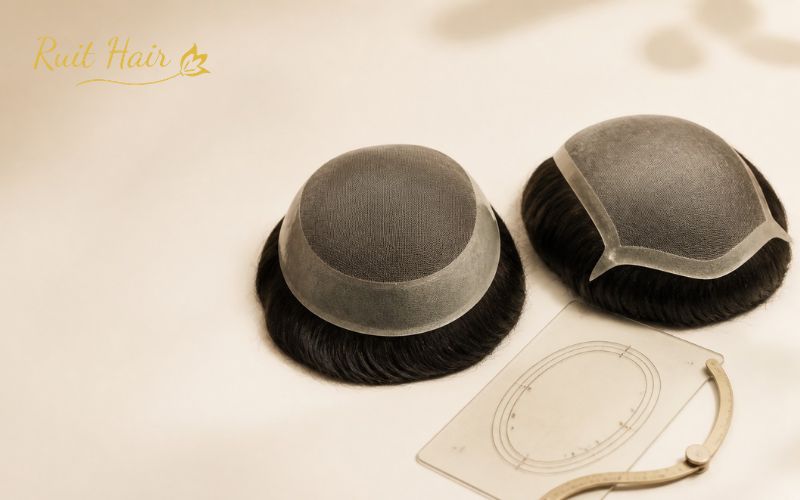
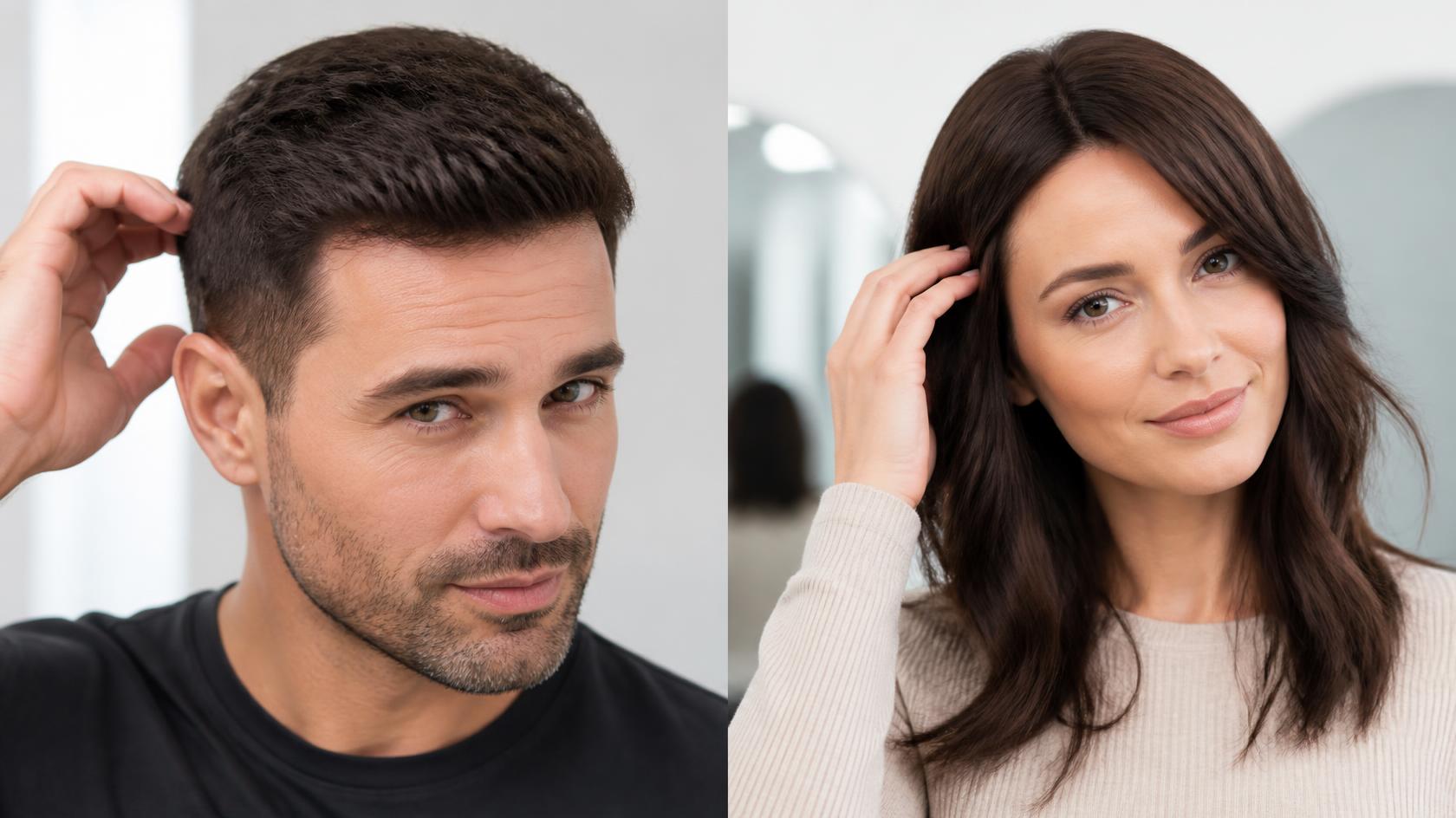
Men’s hairpieces—also known as toupees, hair systems, or hair toppers—are specialized hair replacement solutions designed to cover partial hair loss, thinning areas, receding hairlines, or bald spots while blending seamlessly with your natural hair . Unlike full wigs that cover the entire scalp, modern hairpieces are targeted, lightweight, and engineered for realism, mimicking the look and movement of natural hair growth.
Today’s hairpieces have evolved far beyond the bulky, obvious designs of the past. They come in diverse forms: from small crown patches for focal baldness to frontal systems for receding hairlines, and integrate advanced materials like lace, monofilament, or polyurethane (PU) bases . Crafted from either high-grade synthetic fibers or human hair (such as Remy or virgin hair), they offer versatility—human hair options can be heat-styled, dyed, and washed like natural hair, while synthetics provide low-maintenance convenience . Whether you’re dealing with male pattern baldness, medical-related hair loss, or simply want to boost volume, a well-chosen hairpiece delivers instant, natural-looking results without invasive procedures .
How to Choose the Right Men’s Hairpiece for You
Selecting a hairpiece that looks natural, feels comfortable, and fits your lifestyle requires considering key factors—from fit and material to texture and attachment method. Follow this step-by-step guide:
1. Assess Your Hair Loss & Coverage Needs
First, identify the area you need to cover:
• Receding hairline: Opt for a frontal hairpiece or lace-front system to recreate a natural hairline with feathered transitions .
• Crown thinning/bald spots: Choose a small topper or crown patch that matches your existing hair density .
• Partial thinning (temples/sides): Select an integration piece that blends with your natural hair rather than covering it entirely .
2. Prioritize Fit: Measure for Seamless Comfort
Fit is the foundation of a natural-looking hairpiece—ill-fitting units slip, bulge, or lift, revealing the base . Follow these measurement steps:
• Tools needed: Soft measuring tape, mirror, and phone camera.
• Key measurements:
◦ Front-to-back: From your natural forehead hairline to the center of the nape (skull curve) .
◦ Ear-to-ear (over top): Across the crown from the front of one ear to the other .
◦ Circumference: Around the head just above the ears and forehead (standard “hat size”) .
• Pro tip: If between sizes, choose the larger option; for unique head shapes (oval, round, heart-shaped), opt for a custom-fit system . Validate fit with photo tests—take top-down and side shots to check for gaps .
3. Choose the Right Base Material (Comfort + Realism)
The base determines breathability, durability, and scalp mimicry. Popular options include:
• Lace (French/Swiss): Breathable and natural-looking, ideal for active lifestyles or hot climates. Swiss lace is thinner (undetectable) while French lace is more durable .
• Polyurethane (PU/Skin): Mimics scalp texture with a smooth finish, secured via adhesives. Best for low-activity users prioritizing realism—thinner PU (0.03–0.06mm) offers invisibility but shorter lifespan (1–3 months), while thicker PU (0.08mm+) is more durable .
• Monofilament: Thin, breathable material with hand-tied hairs for multi-directional styling—great for crown areas needing natural part lines .
• Hybrid Bases: Combine lace (front) and PU (back) for balanced breathability and security .
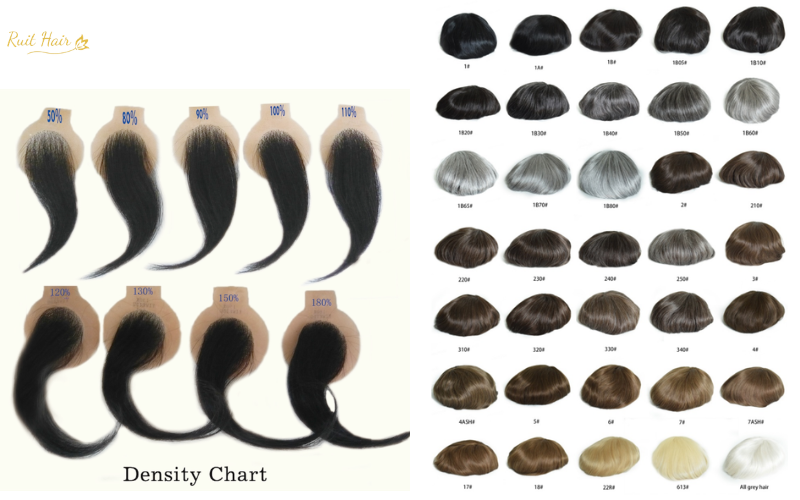
4. Match Hair Type, Color, & Density
• Hair type:
◦ Human hair (Remy/virgin): Most realistic, heat-stylable, and long-lasting (6–12 months with care) .
◦ Synthetic: Budget-friendly, low-maintenance, and pre-styled—ideal for beginners .
• Color matching: Compare swatches in natural daylight to your existing hair. Choose a slightly lighter shade if unsure (blends more forgivingly) .
• Density: Match to your natural hair—too dense will look unnatural. Average density ranges from 100–120%; opt for 80–100% if your sides are thinning .
5. Consider Attachment Method & Lifestyle
• Adhesives/Tapes: Secure (last 3–6 weeks) for full baldness or active users (swimmers, athletes) .
• Clips: Reversible and non-damaging, best for those with enough natural hair to anchor the piece .
• Lifestyle fit: Athletes need breathable lace; frequent travelers benefit from low-maintenance synthetic options; professionals may prefer premium human hair for versatility .
Final Tips for Confidence
• Test the hairline: Look for feathered edges (not blunt) to mimic natural growth .
• Start with stock options: Budget-friendly and readily available; upgrade to custom if needed .
• Prioritize quality over gimmicks: A well-fitted, properly matched hairpiece beats “ultra-thin” claims .
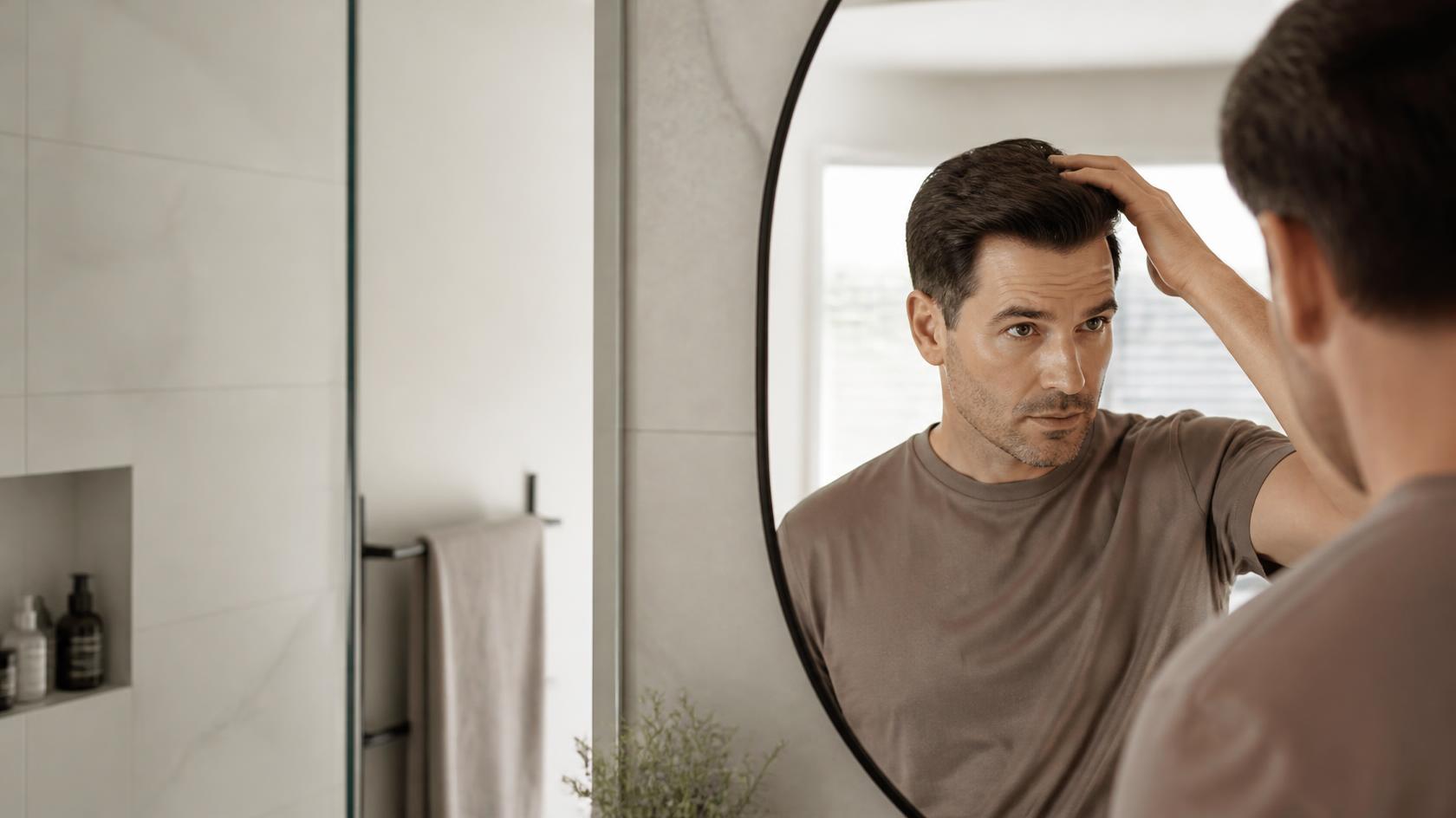
With the right hairpiece, you’ll regain confidence and a natural look that complements your style—no one will know the difference.