Can Hair Systems Look Natural in Sunlight? | Ruit Hair
Yes, a well-chosen and properly fitted hair system can look natural in bright sunlight. The result depends on color matching, density, base construction, attachment, and styling. No hairpiece is guaranteed to be undetectable in every light or from every angle.
If your hair system looks different outdoors than it does in your bathroom mirror, start by checking the details that strong daylight makes easier to see.
Why Sunlight Changes the Way Hair Looks
Direct sunlight creates bright highlights and stronger shadows. It can make differences in color, shine, texture, and density easier to notice.
Natural hair also reflects light. A little shine is normal; what deserves attention is a clear mismatch between the hairpiece and surrounding hair, or a reflective edge at the attachment area.
Check your system in direct daylight and open shade. These are different viewing conditions, and both can help you assess the overall blend.
1. Match the Color in Daylight
An indoor color match may look different outside. Compare the hairpiece with your existing hair near the temples, sides, and back, paying attention to warm or cool tones as well as how dark the hair appears.
For a women’s topper, check the transition into the hair underneath and around the base. For a full wig, assess the overall shade against your complexion and preferred look.
If possible, review a physical color sample in daylight before ordering. Phone photographs can be useful, but automatic exposure, white balance, and filters may change the apparent shade.
2. Choose a Balanced Hair Density
The fullest hairpiece is not always the most convincing match. A dense top can create an abrupt contrast with finer hair at the sides.
Choose density that works with your existing hair and the look you want. A softer front transition and a suitable blending haircut may help create a more consistent appearance.
For toppers, assess whether the piece adds the amount of coverage you need without creating an obvious change in volume around its edges.
3. Inspect the Hairline and Base Edge
When the front hairline is exposed, check the base edge, placement, hair direction, and attachment.
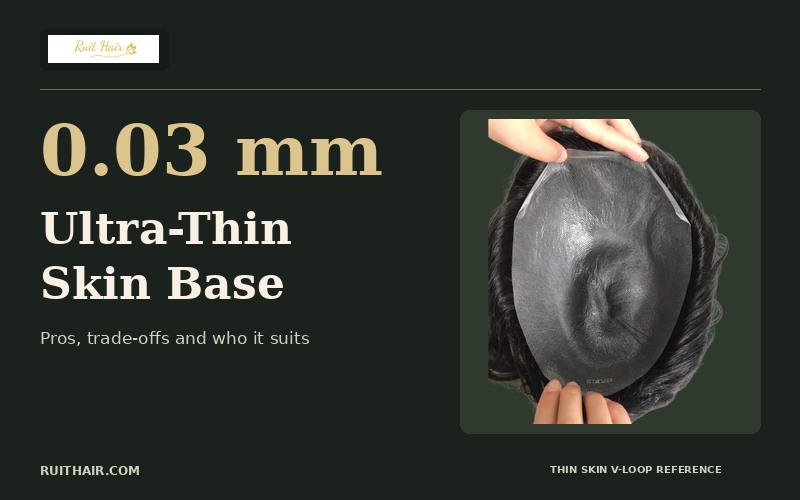
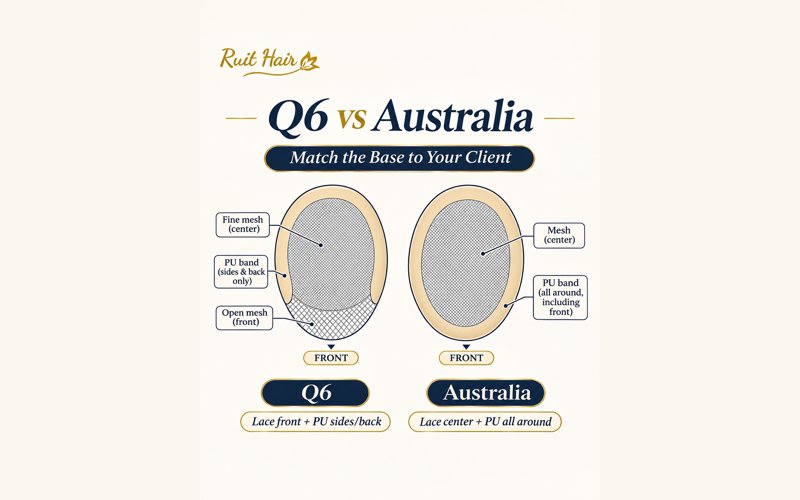
Lace and polyurethane bases have different visual and handling characteristics. A material described as “HD,” “transparent,” or “ultra-thin” does not by itself guarantee an invisible result.
The complete fit matters. If an edge is lifting, visible, or uncomfortable, have it assessed rather than repeatedly pressing it down or adding more adhesive.
4. Check for Attachment Shine
Sometimes the reflection comes from tape or adhesive rather than the hair itself. Attachment products differ in finish, and some are designed to have a duller appearance.
Ask your fitter about an attachment product compatible with your base, skin, and wear routine. Follow the manufacturer’s application instructions.
Avoid using household powders, harsh cleaners, or improvised treatments to hide shine. They may leave residue or affect the base and bond.
5. Keep Styling Light and Consistent
A heavily coated top can look different from untreated hair around it. Use products suitable for your hairpiece and apply the amount recommended.
Choose a style that works with your hairline and fit. Soft texture, a side part, or a light fringe may make an exposed edge less prominent, depending on the piece.
If you prefer a swept-back style, ask your fitter to assess the exposed front in daylight before committing to that look.
6. Recheck the Match as the Hairpiece Ages
Color, texture, and the overall blend can change with wear and care. If you notice a growing mismatch, check for product buildup or changes in hair condition before attempting to recolor the piece.
Follow the care instructions for your specific hair material and base. Ask an experienced hairpiece stylist about color correction rather than bleaching or dyeing the system without guidance.
For long periods outdoors, follow the supplier’s sun-care advice and consider a comfortable hat that does not rub the attachment.

A Simple Daylight Check Before You Leave
Look at your hair from the front, sides, and back. Check the color transition, hairline placement, attachment edge, and finish.
View the result in direct light and shade, then step back to a normal conversation distance. A close-up phone image can highlight details differently from an everyday view.
If something looks inconsistent, identify the specific issue—color, density, styling, or attachment—before changing several things at once.
Find Your Match with Ruit Hair
Looking for a hair system that suits your everyday environment? Explore Ruit Hair’s men’s hair systems, women’s hair toppers, and full wigs.
Contact us to discuss color, density, coverage, and base options. Tell us how you plan to wear the piece, including whether you prefer an exposed hairline, so we can discuss the relevant product details.
Frequently Asked Questions
Does Sunlight Always Reveal a Hair System?
No. Sunlight can make differences easier to see, but visibility depends on the fit, color match, construction, attachment, and viewing conditions.
Is a Lace Hair System Always More Natural Than a Skin Base?
No single base is best for everyone. Compare the complete result, including scalp-tone compatibility, edge finish, attachment, hairstyle, and care requirements.
Can a Women’s Hair Topper Look Natural Outdoors?
Yes, it can. Color and texture matching, suitable coverage, secure attachment, and blending with existing hair all matter.
Should I Add More Adhesive to Hide a Visible Edge?
Do not assume more adhesive will solve the problem. Have the fit and attachment checked, and follow the product instructions.